

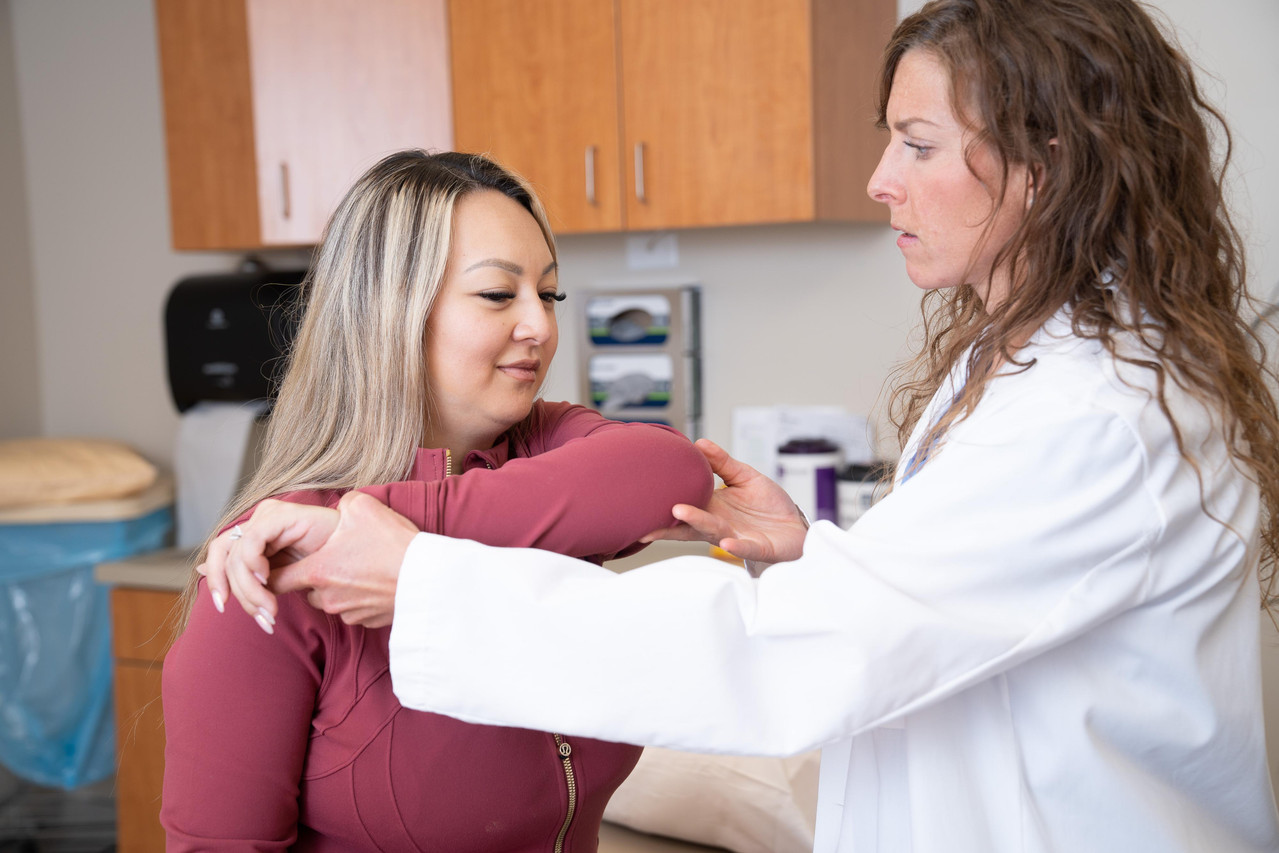
Joint health is essential for maintaining mobility, comfort, and overall quality of life. Every movement the body performs relies on healthy joints that connect bones and allow smooth motion. Over time, however, joints can experience stress, wear, injuries, and degenerative conditions that affect their function. When joint issues begin to interfere with daily activities, seeking guidance from orthopedic doctors becomes an important step toward preserving long-term joint health.
Understanding Joint Preservation
Joint preservation refers to medical strategies that aim to protect and maintain the natural structure and function of joints for as long as possible. Instead of immediately considering surgical replacement procedures, healthcare providers often focus on treatments that support healing, reduce pain, and slow down joint deterioration.
The goal of joint preservation is to maintain natural movement while preventing further damage. This approach can involve lifestyle adjustments, rehabilitation exercises, medical therapies, and minimally invasive procedures that support the body’s ability to repair itself. Through careful diagnosis and treatment planning, orthopedic doctors help patients maintain their natural joints and avoid more complex procedures when possible.
Early Diagnosis of Joint Problems
One of the most important roles of orthopedic specialists is identifying joint problems early. Many joint conditions begin gradually, often presenting as mild stiffness, occasional discomfort, or reduced flexibility. These symptoms may seem minor at first, but they can indicate underlying structural issues that require medical attention.
By evaluating symptoms, reviewing medical history, and using advanced diagnostic imaging, orthopedic doctors can detect problems affecting cartilage, ligaments, tendons, and bone structures. Early diagnosis allows patients to begin treatment before joint damage becomes severe. Addressing issues in their early stages significantly improves the chances of preserving the joint and maintaining mobility.
Personalized Treatment Plans
Joint conditions vary widely from one patient to another. Factors such as age, activity level, injury history, and overall health all influence the best treatment approach. Orthopedic specialists create personalized care plans designed to protect joint health while addressing the specific needs of each patient.
Treatment strategies often focus on reducing inflammation, improving joint stability, and strengthening surrounding muscles. To ease the stress on the hurt joint, doctors may suggest physical therapy, specific routines, and changes to the way you live. In many cases, orthopedic doctors combine multiple treatment options to achieve the best possible outcome.
This personalized approach helps patients remain active while protecting their joints from further damage.
Preventing Further Joint Damage
Joint preservation is not only about treating current symptoms but also preventing future complications. Once a joint becomes unstable or damaged, it may continue to deteriorate if not properly managed. Orthopedic specialists help patients understand how daily activities, posture, and movement patterns influence joint health.
Through education and preventative care strategies, orthopedic doctors guide patients toward safer movement habits, injury prevention techniques, and long-term joint protection. Making the muscles around joints stronger and more flexible can take a lot of stress off them and lower the risk of getting hurt again.
By focusing on prevention, patients are better equipped to maintain their mobility and avoid chronic joint problems.
When Surgical Intervention Becomes Necessary
While joint preservation is often the primary goal, there are situations where surgical procedures may be required to restore proper function. Even in these cases, orthopedic specialists aim to use techniques that preserve as much of the natural joint as possible.
Minimally invasive procedures, ligament repairs, and cartilage restoration techniques are examples of methods that can improve joint function while maintaining existing structures. When done by skilled orthopedic doctors, these treatments can help people feel better for a long time and get their mobility back.
Supporting Long-Term Joint Health
Maintaining healthy joints requires ongoing attention and proper medical guidance. From early diagnosis to advanced treatment strategies, orthopedic specialists play a central role in helping patients preserve their mobility and independence.
With their expertise in musculoskeletal health, orthopedic doctors provide the knowledge, treatment options, and preventative care strategies needed to protect joint function. By focusing on preservation rather than replacement whenever possible, they help patients maintain an active lifestyle and support long-term joint health.