

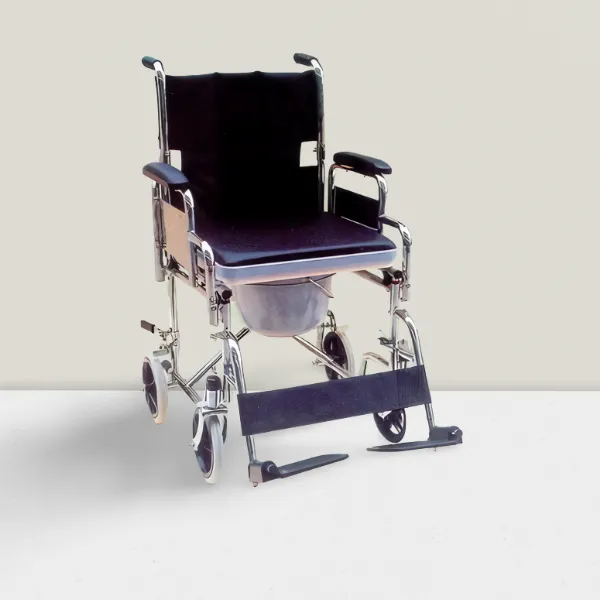
Buying commode wheelchairs for a care facility involves details that get overlooked easily until equipment fails during actual daily use, usually at an inconvenient moment. Prices vary considerably between manufacturers, build quality differs more than catalogs let on, and some suppliers skip safety testing that matters enormously for patients relying on this equipment multiple times daily. Whether you’re stocking a nursing home or a rehabilitation unit, knowing what to expect from a genuine Commode Wheelchair Manufacturer in Chile helps avoid costly mistakes during procurement planning. This guide covers practical points worth checking beforehand.
Frame Stability During Patient Transfers
Stability under weight shift matters more than most buyers initially consider, especially since these units support patients transferring on and off multiple times throughout each day. Ask manufacturers for tip resistance testing data specifically, not vague assurances about general safety standards sounding reassuring on paper alone. A wobbly frame during transfer isn’t just inconvenient; it creates genuine risk for both patients and caregivers involved in the process. Request actual load testing certificates rather than accepting verbal claims about strength.
Bucket Component Material Quality
The removable bucket or pan component gets used constantly, cleaned repeatedly, and honestly endures more wear than any other single part on the unit. Cheap plastic cracks after months of regular disinfectant exposure, leaving facilities stuck reordering replacement parts far more often than originally budgeted for. A reliable Medical Crutch Manufacturer in Argentina deals with similar material durability questions across their broader product range, and that same scrutiny applies here too; always ask about material grade specifications upfront.
Wheel Locking Mechanism Testing
Wheel locks prevent unwanted movement during transfers, something caregivers depend on dozens of times each shift without necessarily thinking about it consciously in the moment. Weak or worn locking mechanisms create fall risks that facilities genuinely cannot afford, both financially and from a liability standpoint worth taking seriously. Test the locking mechanism yourself during any product demo; don’t simply take a sales rep’s word for how well it holds under real daily pressure repeatedly. Check how easily locks engage, release, and remain secure when the bed is occupied or being repositioned.
Adjustability Across Patient Sizes
Patients come in wildly different sizes, and a one-size-fits-all commode wheelchair rarely serves a diverse population effectively over months of regular facility use. Seat width, height adjustment range, and armrest positioning should all flex to accommodate varying needs across a facility’s entire patient roster realistically. A genuine manufacturer offers multiple configuration options without charging outrageous premiums for what amounts to fairly basic adjustments requested regularly by clinics and care homes alike.
Comparing Pricing Across Manufacturers
Lowest quoted price rarely reflects true long-term value once maintenance costs and replacement parts enter the equation across several years of regular clinical use. Get itemized quotes covering base unit cost, spare parts availability, and warranty coverage terms clearly spelled out in writing beforehand without ambiguity. Compare at least three vendors side by side before deciding anything, since pricing structures vary more than most buyers expect walking into these negotiations initially. Factor total ownership cost across three to five years. Include routine servicing, unexpected repairs, transportation expenses, staff downtime, and eventual component replacement when calculating the actual financial commitment over time.
Delivery Timelines and Regional Support
Delivery timelines swing considerably between manufacturers, sometimes differing by several weeks for essentially comparable products and specifications offered across different vendors. Confirm realistic shipping estimates upfront, along with clarity on who handles customs documentation for any cross-border orders involved in the purchase. Ask about local repair support too, since sending broken units back overseas for warranty service wastes time facilities genuinely cannot spare when equipment is actively needed daily by patients.
Conclusion
Sourcing commode wheelchairs properly requires more attention than many facilities initially budget time for during procurement planning stages across departments. From frame stability to hygiene component durability to realistic delivery expectations, each factor shapes whether the equipment holds up reliably across years of daily clinical use, not just the first few weeks after installation begins. Taking time to verify certifications, test samples directly, and compare vendors thoroughly pays off considerably once equipment enters regular rotation across a busy care facility.