
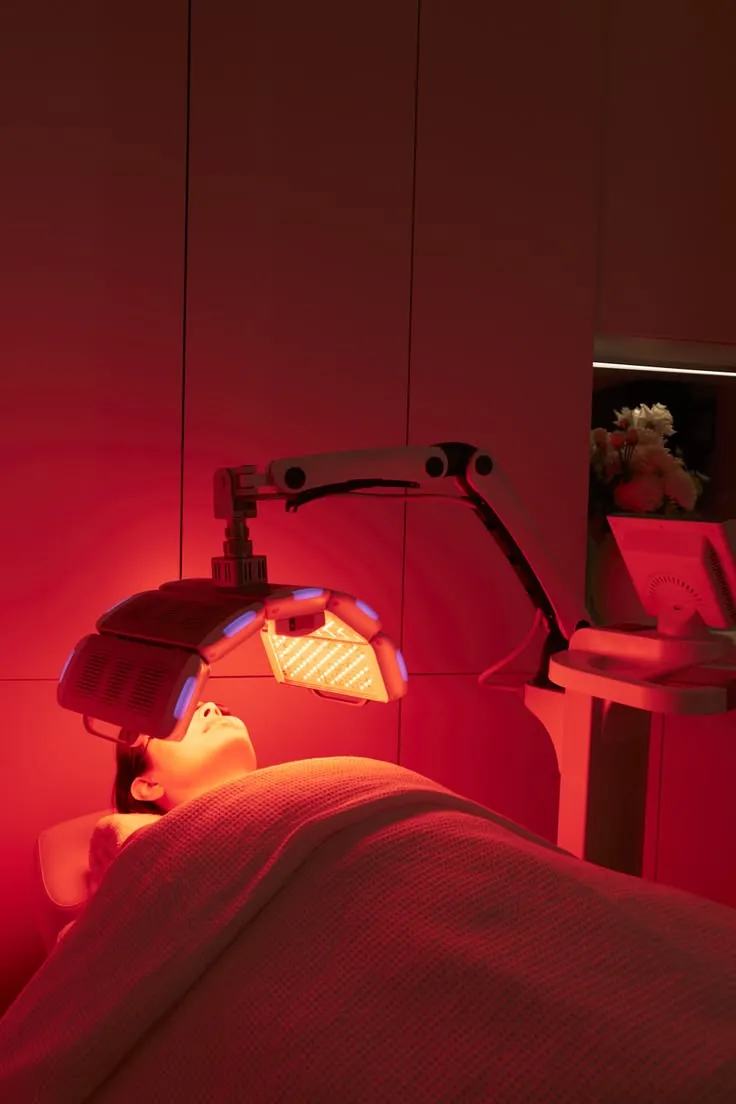
Balancing professional responsibilities, household commitments, and personal time can make relaxation difficult to prioritize. Many people want a wellness routine that feels manageable rather than becoming another demanding obligation. Some individuals explore red light therapy for cosmetic skin concerns, while others prefer massage-based experiences or quiet sessions away from daily distractions. Understanding the purpose, limitations, and safety considerations of different services can help people build realistic routines. The most suitable approach depends on personal preferences rather than following every emerging wellness trend.
Identify What Personal Wellness Means to You
A successful wellness routine begins with understanding individual needs. Someone managing a demanding work schedule may value occasional relaxation appointments, while another person may be interested in treatments addressing particular cosmetic concerns. These goals require different approaches and expectations.
Before booking sessions, consider whether the priority is relaxation, skin appearance, or time away from electronic devices. Establishing a clear purpose helps avoid unnecessary spending and creates a routine that fits naturally into everyday life.
Understanding Light-Based Wellness Technology
Red light treatments use specific wavelengths of visible red light, sometimes combined with near-infrared light. Specialized equipment delivers controlled exposure during sessions. Researchers continue examining these technologies for certain skin concerns and aspects of tissue recovery, although evidence differs across applications.
Treatment outcomes depend on device specifications, exposure settings, and individual characteristics. Broad claims involving major metabolic changes or cures for chronic medical conditions should not be accepted without reliable evidence. Clients should understand the intended purpose of the equipment before beginning treatment.
Selecting a Comfortable Treatment Format
Wellness facilities may provide reclining light therapy beds, standing equipment, or other specialized systems. Each format offers a different experience, and recommended session lengths can vary. Individuals should select an option that aligns with their treatment goals and physical comfort.
A consultation should also address relevant medical conditions, medications associated with photosensitivity, and eye protection requirements. An appointment may feel relaxing, but comfort alone does not demonstrate that a treatment produces a particular medical benefit.
Questions to Ask Before Scheduling Sessions
Understanding a treatment before purchasing a package supports informed decision-making. Clients should discuss expected outcomes, available evidence, safety considerations, and recommended appointment frequency. Clear information is especially important when promotional descriptions suggest benefits beyond established research.
Useful questions include:
-
What is the treatment intended to address?
-
Which equipment and wavelengths are used?
-
How long should each session last?
-
Are there relevant health-related precautions?
-
What improvements are realistically supported by evidence?
These questions help distinguish meaningful treatment information from general wellness marketing claims.
Exploring Relaxation-Focused Spa Experiences
A professional spa can provide experiences that emphasize comfort rather than light-based cosmetic treatment. Options may include dry hydro-jet massage, infrared wellness cocoons, and equipment designed to create a calming environment. These services offer different sensations and levels of physical stimulation.
Individual preferences should guide the selection. Some people enjoy warmth and enclosed relaxation equipment, while others prefer gentler experiences. Anyone with heat sensitivity, cardiovascular concerns, or other relevant medical conditions should discuss suitability with a qualified professional.
Creating Space for Everyday Recovery
A balanced routine should complement established health habits rather than replace them. Adequate sleep, regular physical activity, hydration, and opportunities for rest remain important foundations of general well-being. Occasional wellness appointments may provide an enjoyable break from daily responsibilities.
However, relaxation services should not be considered substitutes for medical treatment, rehabilitation, or professional care for persistent symptoms. People experiencing ongoing pain or other health concerns should consult appropriate healthcare professionals before relying on cosmetic or wellness procedures.
Setting Realistic Treatment Expectations
Wellness advertising occasionally suggests that a single treatment can address many unrelated concerns. In reality, evidence may be limited, and measurable improvements can vary considerably. Clients should understand possible results before committing to repeated appointments or expensive packages.
Trying one suitable service before purchasing a longer program may help determine whether the experience meets personal expectations. Budget, convenience, comfort, and available time are valid considerations when building a sustainable wellness routine.
Conclusion
Personal wellness becomes more manageable when appointments reflect realistic goals, individual preferences, and reliable treatment information. Light-based services and relaxation experiences serve different purposes, and their suitability should be evaluated separately. Understanding equipment, safety requirements, and evidence helps people make informed choices without unnecessary pressure. Residents interested in aesthetic wellness and relaxation services in Visalia can explore available treatments through dustylynnwellness.com while creating routines that complement their daily responsibilities and personal well-being.