

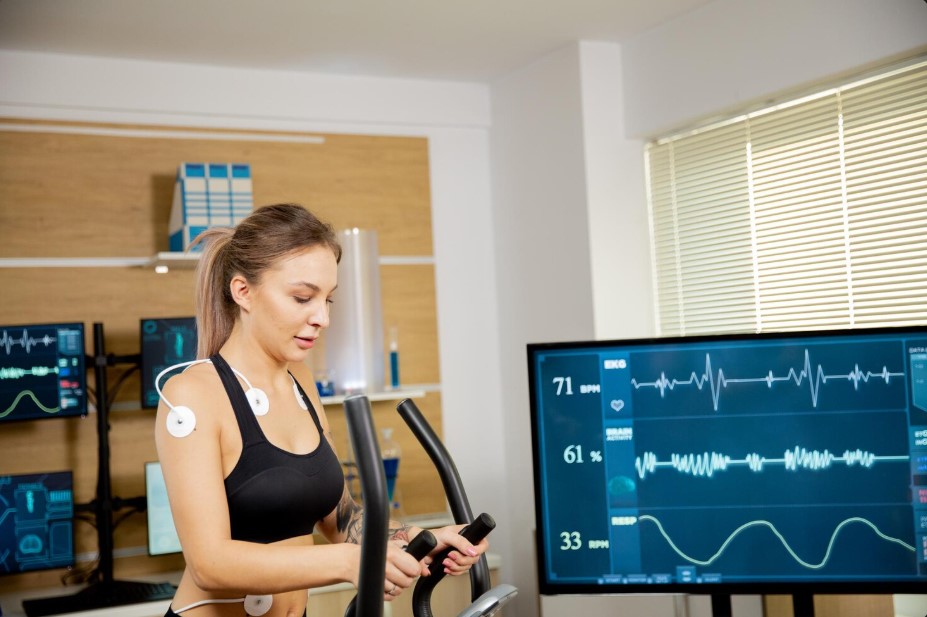
Starting or intensifying a fitness routine places new demands on the heart, especially when workouts involve high intensity or endurance training. An electrocardiogram, commonly called ECG, records the heart’s electrical activity and can reveal patterns that need attention before or during training. This guide helps you learn when ECG screening becomes important, how it supports safe exercise planning, and what signs indicate the need for evaluation before continuing fitness activities.
What ECG Screening Means in a Fitness Context
An ECG is a simple and non invasive test that measures how the heart beats and how electrical signals move through it. In a fitness setting, this test is often used to check whether the heart can safely handle physical stress. While many healthy individuals can exercise without screening, certain conditions or risk factors make ECG testing an important precaution.
The test can detect irregular heart rhythms, previous silent heart events, or structural concerns that may not show obvious symptoms. For people starting a new workout routine, especially after a long period of inactivity, ECG screening can serve as a baseline. This allows doctors to compare future readings and identify changes if symptoms develop later.
Why Screening Becomes Important Before or During Training
Detecting Hidden Heart Conditions
Some heart conditions do not show clear symptoms until physical exertion increases the heart’s workload. ECG screening helps identify abnormalities such as arrhythmias or conduction issues that could pose risks during intense exercise.
Supporting Safe Exercise Progression
Fitness programs often increase in intensity over time. Screening helps ensure that the heart adapts safely to these changes. If any irregularity is found, training intensity can be adjusted to avoid complications.
Preventing Exercise Related Cardiac Events
Although rare, sudden cardiac events can occur during strenuous activity, particularly in individuals with undiagnosed conditions. ECG screening adds a layer of safety by identifying potential risks early.
Monitoring Individuals With Known Conditions
People with diagnosed heart conditions may require regular ECG tests to monitor their response to physical activity. This helps maintain balance between staying active and avoiding strain.
Who Should Consider ECG Screening Before Fitness Training
Not everyone needs an ECG before starting exercise, but certain groups benefit more from screening based on risk factors and health history.
- Individuals above 40 years starting a new or intense workout routine
- People with a family history of heart disease or sudden cardiac events
- Those experiencing symptoms like chest discomfort, dizziness, or shortness of breath
- Individuals with conditions such as diabetes, high blood pressure, or obesity
- Athletes planning high intensity or competitive training programs
- People returning to exercise after a long break or illness
Screening in these cases helps identify risks early and supports safer training decisions.
When ECG Screening Should Be Repeated
ECG is not always a one time test. Repeating the screening depends on symptoms, changes in fitness level, and medical advice.
After New Symptoms Appear
If symptoms such as palpitations, fatigue, or chest discomfort develop during training, a repeat ECG helps assess whether the heart is under stress.
Before Increasing Training Intensity
When moving from moderate to high intensity workouts, especially endurance training, repeating the test ensures the heart is adapting well.
During Ongoing Medical Monitoring
Individuals with known heart conditions may need periodic ECG tests to track progress and adjust exercise plans accordingly.
After Recovery From Illness
After illnesses that may affect the heart, such as viral infections, repeat ECG screening helps confirm that it is safe to resume physical activity.
How ECG Results Influence Fitness Planning
ECG findings guide decisions about how exercise should be approached. A normal result allows individuals to proceed with confidence, while abnormal findings require adjustments or further evaluation.
If the ECG shows minor irregularities, doctors may recommend moderate exercise with gradual progression. In cases where significant abnormalities are detected, additional tests such as echocardiography or stress testing may be advised. Based on these findings, a tailored fitness plan is created to ensure safety.
This approach helps avoid unnecessary restrictions while ensuring that exercise remains beneficial rather than risky. It also supports long term fitness goals by aligning them with individual health conditions.
What Happens During the ECG Test
The ECG test is quick and painless, usually taking about 5 to 10 minutes. Small electrodes are placed on the chest, arms, and legs to record the heart’s electrical activity. The test is performed while the person is at rest, and results are available shortly after.
You do not need special preparation for a standard ECG. However, it is advisable to avoid heavy exercise just before the test, as it may temporarily affect the readings. The procedure is safe and suitable for people of all fitness levels.
Cost and Accessibility
In the UAE, an ECG test typically costs between AED 100 and AED 300 depending on the healthcare facility and whether it is part of a broader health check package. Many insurance plans cover ECG when it is medically recommended. Access to testing is widely available, making it convenient for individuals planning to start or adjust their fitness routines.
Signs That Indicate the Need for Immediate Screening
Certain warning signs should not be ignored, especially when they occur during or after exercise. These symptoms may indicate underlying heart concerns that require prompt evaluation.
- Chest pain or pressure during physical activity
- Sudden dizziness or fainting episodes
- Irregular or unusually fast heartbeat
- Shortness of breath not matching activity level
- Unexplained fatigue during workouts
If any of these symptoms appear, stopping exercise and seeking medical advice is essential. Early screening helps prevent complications and ensures safe continuation of fitness activities.
Role of ECG in Long Term Fitness and Health
Regular physical activity is essential for heart health, but it should be balanced with proper monitoring. ECG screening plays a role in maintaining this balance by identifying risks early and guiding safe exercise habits.
For individuals who train regularly, periodic screening can provide reassurance and help track heart health over time. It also supports early detection of changes that may require attention. This proactive approach aligns with modern healthcare practices that focus on prevention and long term wellness.
Choosing Right Approach for Safe Fitness Training
Choosing right approach for safe fitness training involves combining regular exercise with appropriate health checks such as ECG screening when needed. Identifying risk factors, paying attention to symptoms, and following medical advice ensures that fitness goals are achieved safely. ECG screening acts as a supportive tool that helps maintain heart health while allowing individuals to stay active and confident in their fitness journey.