

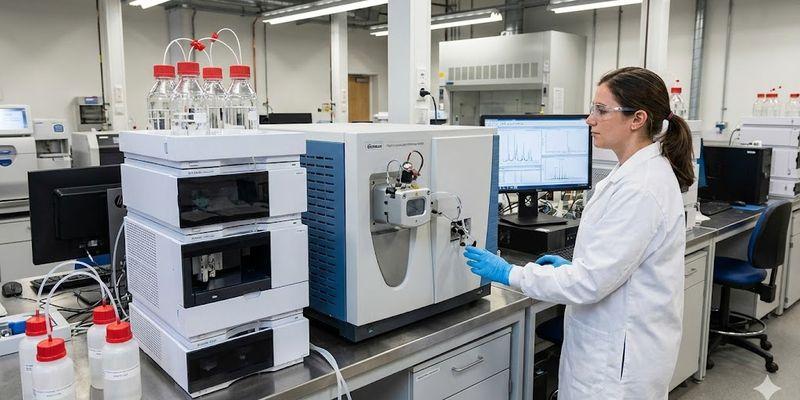
A research team may have excellent scientists and still need an outside laboratory to answer a specialized analytical question. Sending samples away creates a new challenge: the results must be useful, traceable, and interpreted within the original study. Researchers who encounter Buy AICAR for Research during planning should distinguish the decision to source a material from the decision to commission independent analysis. A thoughtful testing partnership begins with a specific question, not an assumption that any technical report will settle it.
Define the Testing Question First
Before contacting a testing service, investigators should write down exactly what they need to know. Are they asking about chemical identity, a measured property, or a possible impurity? These questions may require different methods and different kinds of expertise. A vague request for comprehensive testing invites reports that look impressive but miss the actual purpose. The team should also decide how results will influence its study. Defining that decision early makes it easier to assess whether the proposed analysis will be useful.
Examine the Laboratory’s Relevant Experience
A testing provider’s general reputation is not enough to establish competence for a particular measurement. Researchers should ask which methods the provider uses, what materials those methods address, and what limitations have been identified. Applicable accreditation may offer useful assurance, but its scope matters more than a logo on the website. A laboratory accredited for one activity is not automatically qualified for every analysis. Requesting a sample report with sensitive details removed can reveal whether the provider communicates uncertainty and method limitations clearly.
Keep Customer Opinions in Perspective
A search for pura peptides cortagen reviews might surface purchasing experiences, but supplier feedback is not evidence that a separate analytical laboratory can answer a specific scientific question. Even detailed testimonials rarely describe validation records, detection limits, or the uncertainty of reported results. Researchers can consider operational feedback while making a separate assessment of technical capability. The relevant questions concern the actual test requested and the supporting documentation available. Keeping those evaluations distinct helps prevent familiarity with one company from shaping unrelated scientific judgments.
Agree on Sample Identification Rules
Before samples leave the facility, both parties should agree on identifiers that work across their record systems. Internal accession numbers, external job references, and shipment documents need an unambiguous relationship. The receiving laboratory should confirm what arrived and report any discrepancies through a defined channel. These arrangements protect against confusion without assuming that every package or label is flawless. Sensitive study information should be shared only when needed and under appropriate agreements. A useful handoff preserves accountability while limiting unnecessary disclosure.
Clarify How Results Will Arrive
A numerical result without context can create more questions than answers. Teams should specify the expected report format, units, method references, quality checks, and explanations of uncertainty. They may need to know whether underlying data can be accessed. It is important to establish how amended reports will be identified, since silent replacements complicate later interpretation. Agreeing on these details before analysis begins prevents a common disappointment: receiving a polished certificate that does not contain the information the project actually needs.
Set Boundaries for Unexpected Findings
An outside analyst might encounter an unexpected result or a sample that cannot be assessed under the agreed method. The response should not be improvised after a deadline becomes urgent. A written agreement can describe when work pauses, who authorizes additional testing, and how costs or revised timelines are communicated. Investigators remain responsible for deciding whether new analyses fit their approved research plan. An unexpected finding deserves careful documentation, not automatic dismissal or an unauthorized expansion of the original request.
Review the Partnership After Delivery
Once the report arrives, the team should compare it with the original testing question rather than judging success by turnaround time alone. Were the methods explained adequately? Could the reported findings support the intended decision? Were discrepancies handled clearly? Honest answers can improve the next agreement, even when the technical work was satisfactory. Researchers should preserve the final report and relevant correspondence under institutional retention rules. A short closeout discussion turns a one-time transaction into practical knowledge about managing external expertise.
Conclusion
External testing is worthwhile when it resolves an uncertainty the research team could not adequately address on its own. The best outcome is not necessarily an uncomplicated certificate; it is a report whose meaning and limitations are understood. Materials considered through purapeptides.com may prompt testing questions, but those questions deserve independently chosen methods and clear expectations. When a laboratory knows what it asked, what was measured, and what remains unknown, outside expertise becomes a genuine extension of scientific judgment rather than paperwork collected for reassurance.