

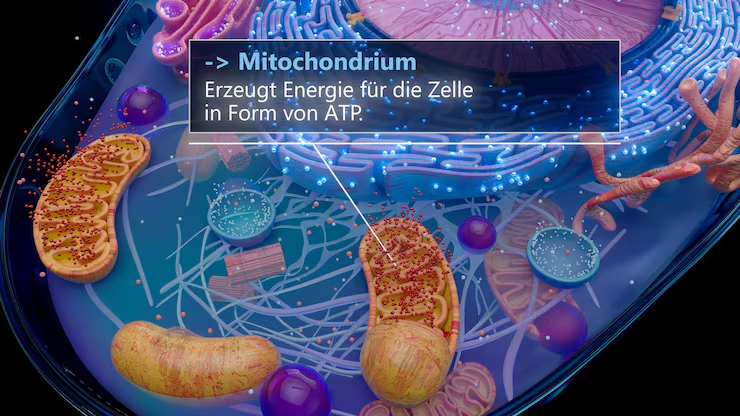
The Mcf7 cell line is one of the most extensively characterised human breast cancer models used in biomedical research. Derived from metastatic mammary carcinoma tissue, Mcf7 cells are particularly valued for their hormone responsiveness and stable phenotypic behaviour. Over decades of use, they have contributed significantly to the understanding of cellular signalling, metabolism, and therapeutic response.
Their continued relevance reflects both their biological characteristics and the depth of existing scientific literature supporting their use.
Key biological features of Mcf7 cells
Mcf7 cells express oestrogen receptors, making them especially useful for studying hormone-regulated cellular processes. Their relatively stable genome and predictable growth patterns further support reproducibility.
Notable characteristics include:
- Hormone receptor expression
- Epithelial morphology
- Consistent proliferation under standard conditions
- Well-documented molecular pathways
These features allow researchers to investigate cellular responses under controlled hormonal and metabolic conditions.
Applications in cancer research
Mcf7 cells are widely used in:
- Cancer cell signalling studies
- Metabolic regulation research
- Drug response and screening assays
- Gene expression analysis
Because their behaviour is well documented, Mcf7 cells serve as a benchmark model in oncology research.
Value of historical data
One of the strengths of Mcf7 cells is the extensive body of existing research. This allows new findings to be contextualised against decades of prior data, improving scientific interpretation and validation.
Ensuring research reliability
To maintain data integrity, cell line authentication is essential. Cytion supplies validated Mcf7 cell lines, supporting reproducible outcomes across studies.
Conclusion
The Mcf7 cell line continues to provide valuable insights into cellular behaviour and cancer biology. With trusted sourcing from Cytion, researchers can build on a strong foundation of scientific knowledge.