

Introduction
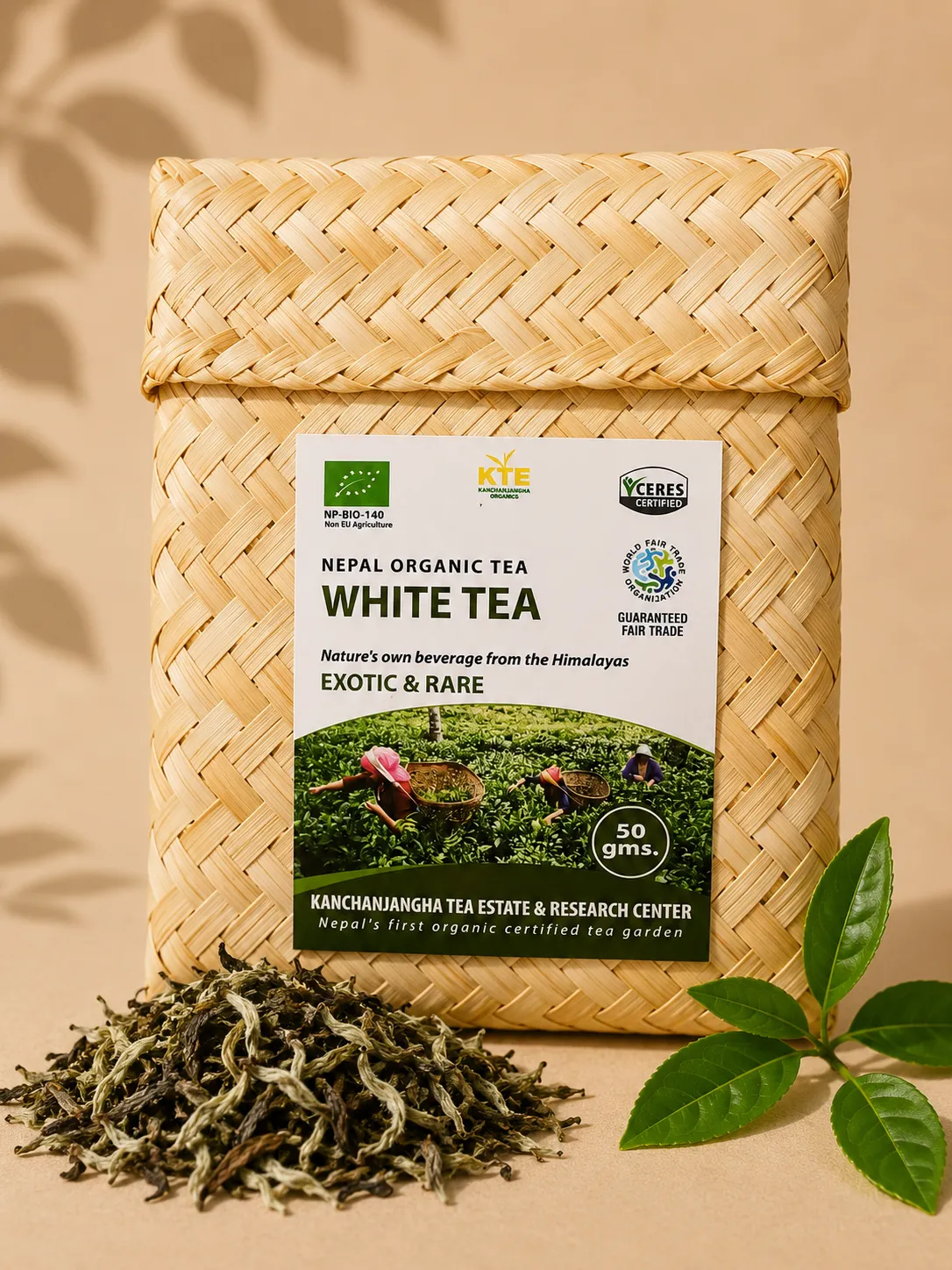
White tea has earned a reputation as one of the most delicate and minimally processed tea varieties available. Made from the young leaves and buds of the Camellia sinensis plant, white tea is valued not only for its subtle flavor but also for its naturally occurring antioxidant compounds. As interest in wellness-focused beverages continues to grow, many consumers are turning to white tea as a refreshing addition to a balanced lifestyle.
Understanding the relationship between white tea and antioxidants can help explain why this traditional beverage remains popular around the world.
What Are Antioxidants?
Antioxidants are naturally occurring compounds found in many plant-based foods and beverages. Their primary role is to help protect cells from oxidative stress caused by free radicals.
Free radicals are unstable molecules that are produced naturally in the body and can also result from environmental factors such as pollution, sunlight exposure, and lifestyle habits. Antioxidants help maintain balance by interacting with these molecules and supporting the body’s natural defense systems.
Because of their presence in fruits, vegetables, herbs, and teas, antioxidants are often associated with healthy dietary patterns.
Why White Tea Contains Antioxidants
One of the reasons white teas attract attention is their minimal processing. Unlike some other tea varieties that undergo extensive oxidation or roasting, white tea is typically harvested and gently dried with limited processing.
This simple production method helps preserve many of the plant’s naturally occurring compounds, including antioxidant-rich polyphenols. As a result, white tea is often recognized as a valuable source of these beneficial plant compounds.
Key Antioxidants Found in White Tea
White tea contains several naturally occurring antioxidants that contribute to its nutritional profile.
1. Catechins
Catechins are a group of plant compounds commonly found in tea leaves. These antioxidants are among the most studied components of tea and are often associated with the wellness benefits linked to tea consumption.
2. Polyphenols
Polyphenols are naturally occurring compounds found in many plant foods. White tea contains a variety of polyphenols that contribute to both its antioxidant content and its distinctive flavor characteristics.
3. Flavonoids
Flavonoids are another category of plant-based antioxidants present in white tea. These compounds are widely distributed throughout nature and play an important role in many fruits, vegetables, and beverages.
How White Tea Fits into a Healthy Lifestyle
White tea can be a simple way to incorporate antioxidant-rich beverages into a daily routine. Because it contains relatively low levels of processing and a naturally light taste, many individuals enjoy it as an alternative to sugary drinks or heavily flavored beverages.
Common ways to enjoy white tea include:
- As a morning beverage.
- During work or study breaks.
- As part of a wellness-focused routine.
- Served hot or iced.
- Paired with balanced meals.
Its versatility makes it easy to include in a variety of lifestyles.
Conclusion
White tea is valued for its delicate taste and naturally occurring antioxidant content. Thanks to its minimal processing, it retains many of the catechins, polyphenols, and flavonoids found in the tea plant.
While no single beverage defines a healthy lifestyle, white tea can be a flavorful and antioxidant-rich addition to a balanced diet. By understanding the role of antioxidants in white tea, consumers can make more informed choices as they explore this traditional and widely appreciated beverage.