
Separating Nutrition Facts from Fiction: How to Build a Truly Evidence-Based Plate
If you spend even a few minutes online searching for nutrition advice, you’ll see everything from extreme low-carb to raw-only, from “eat fat to lose fat” to “never touch oil again.” It’s no wonder many people feel more confused the more they read.
The good news: underneath all the noise, there is a strong core of evidence about what supports long-term health. The challenge is learning how to recognize it, apply it to your own life, and ignore the trends that are more hype than help.
Why So Much Nutrition Advice Feels Confusing
A lot of the confusion comes from three common problems:
- Single studies treated like absolute truth. One small trial or animal study gets turned into a headline, even when the total body of research says something more nuanced. (PMC)
- Nutrients taken out of context. We’ve had decades of “good” and “bad” carbs, fats, or sugars, instead of focusing on whole dietary patterns.
- Marketing dressed up as science. Food and supplement companies sometimes highlight only the parts of research that make their product look good.
To cut through all this, it helps to understand what strong evidence looks like and what nearly all major health organizations agree on.
What the Evidence Really Says About a Healthy Diet
When you look at the guidance from major scientific bodies and public-health agencies, the overlap is surprisingly large. A healthy eating pattern is typically: (World Health Organization)
- Rich in plant foods – vegetables, fruits, legumes, nuts, seeds, and whole grains
- Built on minimally processed ingredients rather than ultra-processed snacks and ready meals
- Balanced in macronutrients – enough protein, healthy fats, and complex carbohydrates
- Careful with “extras” – added sugars, excessive salt, and trans fats
Different cultures express this pattern in different ways: Mediterranean-style eating, traditional Asian or Latin American diets, or newer whole-food plant-based approaches. But they share a similar foundation of fiber-rich plants, limited ultra-processed foods, and a focus on quality over gimmicks.
Large reviews also show that people who follow these patterns tend to have lower risk of heart disease, type 2 diabetes, and certain cancers, and often enjoy better weight management over time. (PMC)
The Hidden Role of Food Processing
Recently, researchers have paid more attention to how foods are processed, not just what nutrients they contain. Ultra-processed foods—heavily modified products with additives, flavor enhancers, refined oils, and sugars—now make up more than half of total calories in many high-income countries. (AP News)
Studies have linked high intake of these foods with:
- Higher calorie consumption and weight gain
- Worse markers of heart and metabolic health
- Potential negative effects on hormones and even mental health
You don’t need to avoid every packaged product, but shifting toward more home-cooked meals, whole ingredients, and minimally processed options is a powerful step that aligns with current research.
Reading Nutrition Facts Labels Like a Scientist
One of the most practical skills you can learn is how to read a nutrition label with a critical eye. Updated labeling rules in many countries now emphasize: (Cancer.gov)
- Serving size – Always check this first. Many labels list small serving sizes, so real-world portions might double or triple the numbers you see.
- Added sugars – Separate from naturally occurring sugars in fruit or milk. High added sugar intake is linked with increased risk of obesity and heart disease.
- Sodium (salt) – Excess sodium raises blood pressure and cardiovascular risk; guidelines often suggest keeping total intake below about 5 g of salt per day. (World Health Organization)
- Fiber – Higher fiber usually means more whole, plant-based ingredients and better support for digestion, blood sugar, and long-term health.
A simple rule of thumb: the shorter and more recognizable the ingredient list, the easier it is to understand what you’re actually eating.
Building a Balanced Plate in Real Life
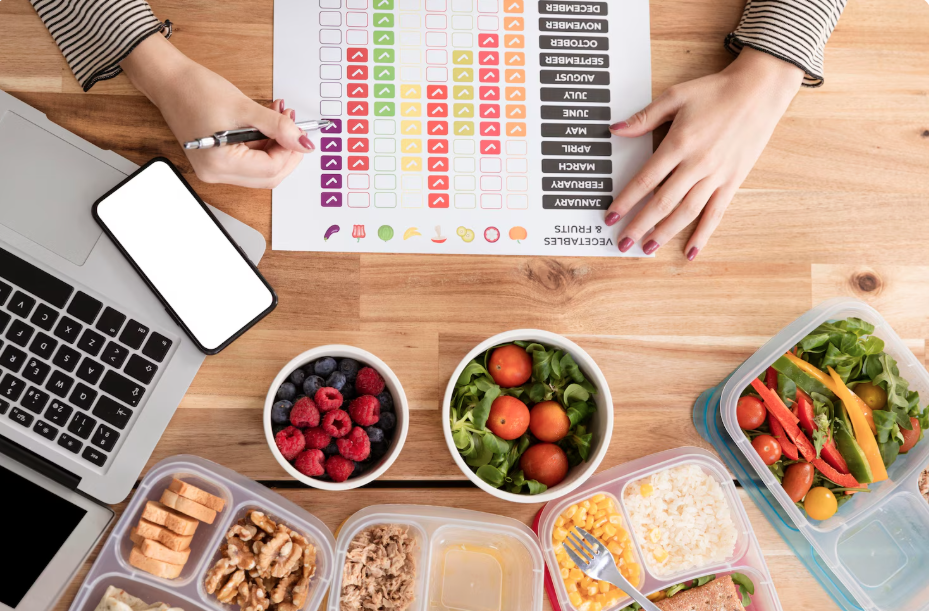
Turning nutrition facts into daily meals doesn’t require perfection. A realistic, evidence-aligned plate for most adults often looks like this:
- About half the plate: vegetables and fruits in many colors
- About a quarter: whole grains or other high-fiber starches (brown rice, oats, quinoa, potatoes with skin)
- About a quarter: protein sources such as beans, lentils, tofu, fish, eggs, or lean meats
- Plus healthy fats from foods like nuts, seeds, avocado, or olive oil
From there, you can tweak portions based on your activity level, health goals, and medical advice. For example, someone focusing on blood sugar control might emphasize fiber and protein, while an athlete in heavy training might need more total calories and carbohydrates.
If you have specific conditions—such as kidney disease, food allergies, or digestive disorders—always work with a qualified healthcare professional or registered dietitian to individualize your plan.
Creating Your Own Evidence-Based “Nutrition Handbook”
If you care about nutrition, you’ve probably downloaded a lot of helpful material over time:
- Healthy recipe PDFs
- Meal-planning templates
- Guides to reading food labels
- Research summaries on particular nutrients or diets
The problem is that these resources often sit in random folders or email attachments. To actually use what you’ve learned, it helps to create a personal “nutrition handbook” you can open on your phone, tablet, or laptop whenever you shop, cook, or plan the week.
A simple tool like pdfmigo.com can help here: you can quickly use it to merge PDF recipe collections, label-reading guides, and dietitian handouts into one organized document tailored to your goals, and later split PDF back into smaller, focused sections—for example, a separate pack for heart-healthy meals, another for blood-sugar-friendly recipes, or a quick one-page grocery checklist.
Instead of juggling dozens of files, you end up with a compact, living handbook that reflects the best of what you’ve read.
Staying Skeptical Without Getting Cynical
In a world of endless nutrition headlines, it’s important to stay curious and cautious. A few guiding principles:
- Check the source. Is the advice coming from peer-reviewed research, major health organizations, or recognized experts, or is it mainly tied to selling a product?
- Look for patterns, not miracles. If a diet or supplement promises extreme results with no effort, it’s almost certainly too good to be true.
- Pay attention to how you feel. Evidence matters, but so does your lived experience—energy, digestion, sleep, mood, and long-term lab markers all offer valuable feedback.
- Think in months and years, not days. The most powerful nutrition changes are the ones you can maintain comfortably as part of your lifestyle.
When you combine high-quality information with simple, consistent habits and an organized way to keep track of what you’ve learned, you’re no longer at the mercy of every trend. You’re in control—building an eating pattern that’s grounded in real nutrition facts and shaped around your own life.